California Pricing Guide
Phase 1 ESA Cost in California: 2026 Pricing Guide
Phase 1 Environmental Site Assessments in California typically cost between $2,000 and $4,500 for standard commercial properties. Major metro markets — Los Angeles, the Bay Area, San Diego — run above the national average, and California's regulatory framework adds specific database searches and oversight layers that affect both cost and process.
Updated May 2026 · 6 min read
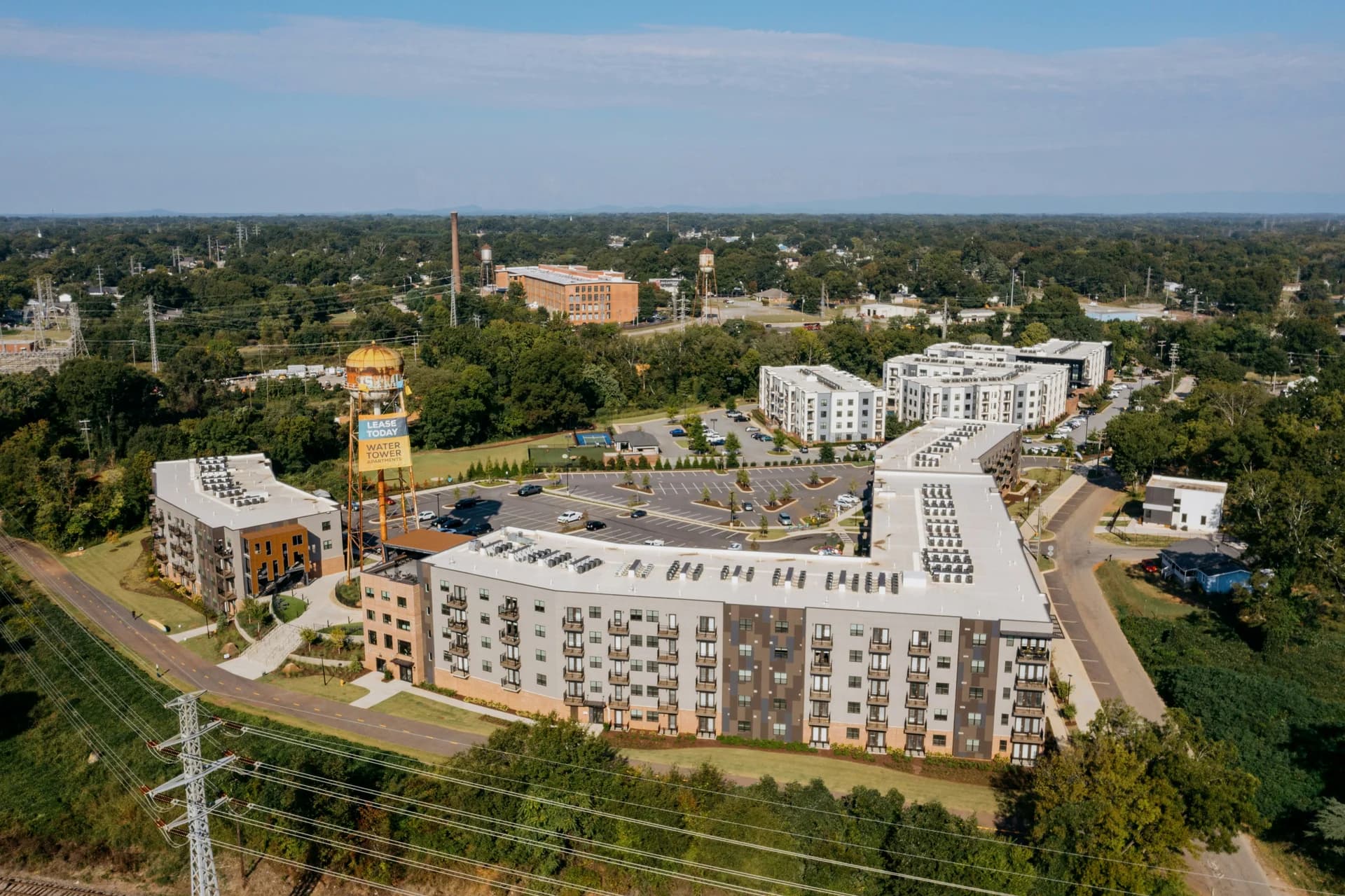
Phase 1 ESA cost in California at a glance
The ranges below reflect typical pricing from environmental consulting firms for standard commercial properties in California. Costs vary by property type, prior use history, and market — the Bay Area and Los Angeles consistently run toward the top of the range.
| Property type | Typical cost in California |
|---|---|
| Small commercial property (standard use history) | $2,000 – $3,000 |
| Mid-size commercial or mixed-use property | $3,000 – $4,500 |
| Large property or complex prior use | $4,500 – $7,000 |
| Industrial site or multiple parcels | $6,000 – $10,000+ |
| Rush turnaround (5 business days or under) | +$750 – $1,500 |
Ranges reflect practitioner-reported fees from environmental consulting firms. Actual costs vary by firm, property type, and location — request quotes for your specific property.
Why Phase 1 ESA costs are higher in California
California consistently prices above the national average. Several factors drive this.
High consultant labor rates
Environmental consulting firms in Los Angeles, the San Francisco Bay Area, and San Diego operate in some of the highest-cost labor markets in the US. Professional fees for licensed Environmental Professionals reflect those local market rates.
Cortese List database search
California consultants must search the Cortese List — California's official inventory of hazardous waste and contaminated sites, maintained by the Department of Toxic Substances Control (DTSC). A property near a listed site requires deeper records review and increases research time.
High density of prior industrial use in urban markets
Los Angeles, the East Bay, and the San Diego metro have high concentrations of former industrial land, dry cleaners, gas stations, and auto repair facilities. Properties with complex use histories take longer to research and flag more Recognized Environmental Conditions (RECs).
Deed-restricted sites require additional verification
DTSC maintains a registry of deed-restricted sites where cleanup is complete but land-use restrictions remain in place. Consultants must verify whether a target property or adjacent parcels are subject to deed restrictions — an extra step not present in all states.
Stricter cleanup standards raise the stakes if RECs are found
California applies cleanup standards that are in many cases stricter than federal minimums. This doesn't increase the Phase 1 cost directly, but it does mean that a Phase 2 triggered by a California Phase 1 is more likely to require extensive investigation and potentially more costly remediation.
California environmental regulations and the Phase 1 ESA
Every Phase 1 ESA in California must comply with ASTM E1527-21 and the EPA's All Appropriate Inquiries (AAI) rule to qualify for CERCLA liability protection. California adds several state-specific elements to that baseline, including mandatory searches of DTSC's Cortese List via EnviroStor and Regional Water Quality Control Board databases.
The Department of Toxic Substances Control (DTSC), operating under CalEPA, oversees hazardous waste site cleanup in California. When a Phase 1 finds RECs involving hazardous substances, DTSC typically becomes the oversight agency for any resulting Phase 2 investigation.
DTSC maintains the Hazardous Waste and Substances Site List — commonly called the Cortese List — which catalogs known contaminated sites including Superfund sites. Consultants search it via DTSC's EnviroStor database during the records review phase of every Phase 1.
For petroleum-related contamination (underground storage tanks, fuel spills), oversight falls to California's nine Regional Water Quality Control Boards rather than DTSC. Cleanup reports must be signed by a California-registered Civil Engineer, Geologist, or Engineering Geologist.
DTSC's Brownfields Reuse program supports redevelopment of contaminated properties by providing technical assistance and liability protections. Properties in the program will have existing DTSC files that a consultant must review during Phase 1 records research.
What's included in every Phase 1 ESA
Regardless of state, every ASTM E1527-21 compliant Phase 1 includes four required components: records review, site reconnaissance, interviews, and a written report signed by a licensed Environmental Professional. In California, the records review additionally covers state-specific databases including the Cortese List.
Per the EPA's AAI rule, interviews, the on-site inspection, and government records reviews must be completed within 180 days before property acquisition. The full assessment must be completed or updated within one year. See the full breakdown of what a Phase 1 ESA includes.
If a REC is found: Phase 2 ESA in California
DTSC and RWQCB standards may exceed federal minimums in certain categories
When a Phase 1 ESA identifies RECs in California, the resulting Phase 2 investigation and any required remediation are governed by DTSC or Regional Water Quality Control Board standards — which per DTSC guidance may exceed federal EPA minimums in certain categories. The scope and cost of a resulting Phase 2 depends heavily on the REC type and the applicable oversight agency.
Cost ranges on this page reflect practitioner-reported fees from environmental consulting firms as of 2026. Regulatory information is sourced from the California Department of Toxic Substances Control (DTSC) and CalEPA. Actual costs vary by property, location, and firm. Consult a licensed environmental professional for a quote specific to your property.
Get quotes from licensed Phase 1 ESA firms in California
Tell us about your California property and we'll match you with licensed environmental consultants in your area. Free to use, no obligation.
Request free quotes